Nigerian medical content creator, popularly known as Aproko Doctor, has raised awareness about a fungal infection that can spread through sexual activity and direct skin-to-skin contact, warning that condom use may not provide complete protection against it.
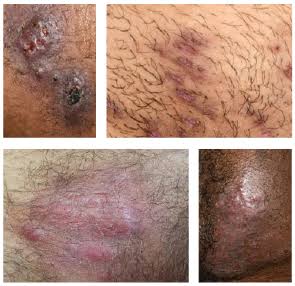
The infection, known as Trichophyton mentagrophytes genotype VII (TMVII), is a strain of ringworm that can affect the genital region and surrounding areas, including the groin, buttocks, thighs and, in some cases, the face.
In a health awareness video circulating on social media, the doctor explained that the infection could spread through intimate contact with infected skin, making it different from sexually transmitted infections that are primarily transmitted through bodily fluids.
TMVII can cause redness, swelling, intense itching, scaly patches, bumps and painful inflammation of the skin.
One of the concerns surrounding the infection is that condoms may not offer complete protection because infected areas of the skin outside the area covered by a condom can come into contact with an uninfected partner.
Apart from sexual contact, the infection can also spread through contaminated personal belongings, including towels, clothing, bedsheets and grooming equipment.
Although anyone can contract the infection, reported cases have predominantly involved men who have sex with men.
Medical experts say TMVII is treatable with antifungal medications, although treatment may take several weeks or longer, depending on the severity of the infection and the patient’s response.
Oral antifungal drugs, including terbinafine, may be prescribed by medical professionals where necessary.
People who notice unusual, persistent or painful rashes around their genital areas, groin or buttocks are advised to seek medical attention rather than resort to self-medication.
Health professionals also recommend avoiding intimate contact with infected skin until appropriate treatment has been completed and the infection has cleared.
Other preventive measures include maintaining good personal hygiene and avoiding the sharing of towels, underwear, clothing, bedsheets and personal grooming equipment.
Although TMVII has been reported in several countries, there is currently insufficient evidence to establish that Nigeria is experiencing a widespread outbreak of the infection.
The warning highlights the importance of sexual health awareness and the need for people to understand that not all sexually transmissible infections spread through bodily fluids.
Early diagnosis, appropriate treatment and preventive measures remain essential to controlling the spread of the infection.