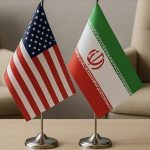

Iran has agreed to reopen the Strait of Hormuz as part of a two-week ceasefire announced by U.S. President Donald Trump, marking a sudden pause in escalating tensions that had threatened global energy supplies.
The truce, confirmed by Iranian officials through local media, comes after Washington warned of possible strikes on Iran’s energy infrastructure if the key shipping route remained closed. The Strait of Hormuz, a critical artery for global oil and gas trade, has been largely shut since late February following major military exchanges involving U.S. and Israeli forces.
Iran’s Foreign Minister, Abbas Araghchi, said safe passage through the waterway would be allowed for a limited period, coordinated with the country’s armed forces and subject to technical considerations.
A senior U.S. official indicated that Israel would also adhere to the ceasefire, which Trump described as a “double-sided” agreement aimed at halting further escalation.
Pakistan, which has played a mediating role in the crisis, said the ceasefire had taken immediate effect. Prime Minister Shehbaz Sharif welcomed the development and invited both sides to Islamabad for further negotiations, expressing hope for a lasting resolution.
Meanwhile, diplomatic efforts appear to be gaining traction. The United States has reportedly received a 10-point proposal from Iran that could form the basis for future talks, including calls for the lifting of sanctions.
While the ceasefire offers a temporary reprieve, uncertainty remains over whether it can lead to a durable agreement. With the truce set to last just two weeks, attention is now focused on whether both sides can turn this pause into a path toward longer-term stability.