Many Nigerians spend a lifetime acquiring properties, building businesses and accumulating wealth, often without making plans for how their assets will be distributed after their death. Unfortunately, what should be a lasting legacy for their loved ones sometimes becomes the source of bitter family disputes, with widows and children battling relatives over houses, land, bank accounts and other valuables.
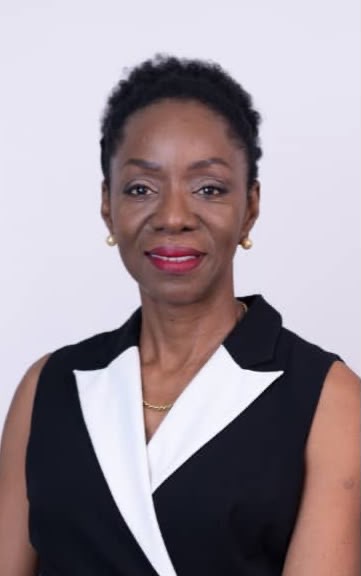
In this interview, Elvira Salleras, Managing Partner of Elvira Salleras + Associates, speaks on the importance of estate planning, the legal implications of dying without a will, the inheritance rights of widows and children, and the circumstances under which extended family members can lay claim to a deceased person’s estate. She also explains the mistakes people make when preparing wills and the steps property owners should take during their lifetime to prevent inheritance disputes and protect their legacy.
Why do so many Nigerians neglect estate planning, even when they have worked so hard to build wealth?
There are three main reasons.
First, culture. In many homes, talking about death is seen as inviting death. People say, “Don’t talk like that, you will live long.”
Second, ignorance. Many people think a will is only for the very rich, or they think naming a next of kin at the bank is enough. It is not. Next of kin gives you no right to inherit.
Third, procrastination. People keep saying, “I will do it later.” And then later never comes.
About 70% of Nigerians die without a will. When that happens, the law decides for you — not you. Businesses collapse, accounts are frozen, properties are left to rot, and families that loved each other end up in court for years.
The silence now becomes the war later.
When someone dies without a will, who has the legal right to inherit? Can extended family members legally take over even when there is a wife and children?
This is where many families get it wrong, because Nigeria has three systems at the same time: statutory law, customary law, and Islamic law.
If you married under the Marriage Act — what we call statutory marriage, registry or licensed church marriage — statutory law applies and it overrides custom.
In Lagos for example, under the Administration of Estates Law: If a man dies leaving a wife and children, the wife gets one-third, the children share two-thirds equally.
Extended family only inherits if there is no wife, no child, no parent.
So no, under statutory law, uncles and aunties cannot legally take over when there is a surviving wife and children.
But if you married only under customary law, then your customary law applies. And if you are Muslim, Islamic law applies with fixed shares — a wife gets one-eighth if there are children, one-quarter if there are none.
Your marriage is also an estate plan.
How does Nigerian law protect widows and children from relatives who attempt to dispossess them?
The law is now very clear.First, the Constitution. Section 42 says no Nigerian shall be discriminated against because of sex. Section 43 says every citizen has the right to own property anywhere in Nigeria. The Constitution is above any custom.
Second, the Supreme Court has spoken.
In Ukeje v. Ukeje, the Supreme Court said Igbo customary law that denies a daughter the right to inherit her father’s property is unconstitutional, void and of no effect.
In Anekwe v. Nweke, the Court rejected a custom that deprived a widow without a son of her husband’s property.
So a widow is not part of the estate to be inherited. She is an heir.
Why does it still happen? Because of ignorance and weak enforcement. Many widows don’t know the law, they can’t afford a lawyer, or they are pressured by family. That is why a will matters — it stops the fight before it starts.
Taking over property without Letters of Administration is called intermeddling. It is unlawful. A widow can go to court for an injunction.
What happens when a will conflicts with customary inheritance practices?
A valid will generally wins over custom.
If you die with a valid will — in writing, signed by you, witnessed by two people who are not beneficiaries — the court will enforce it.
But there are limits. For a Muslim, under Sharia, you can only freely give away one-third by will. The rest must go to fixed heirs.
For a statutory marriage, the court can also vary a will that leaves a wife and children with absolutely nothing.
Family can challenge a will on fraud, undue influence, lack of mental capacity, or improper execution. They cannot challenge just because “custom says so.” Custom cannot beat a valid will and it cannot beat the Constitution.
Beyond houses and land, what happens to bank accounts, investments, businesses, vehicles and other assets?
This is where most families get a shock.
The moment a bank hears of death, they freeze the account. Place No Debit. Nobody can withdraw — not wife, not son, not next of kin.
There is no Payable-on-Death form in Nigeria. There is no shortcut.
To access anything, you need either:
* Grant of Probate — if there is a will, OR
* Letters of Administration — if there is no will.
Same for shares, pension, cooperative contributions, vehicles, company shares. All frozen until the Probate Registry gives authority.
For a sole proprietor business, the business legally stops until an administrator is appointed.
So the family can be rich on paper, but broke in reality, because they have no legal authority to touch anything.
What are the most common mistakes people make when preparing wills?
Number one: No will at all.
Number two: Thinking next of kin is a will. It is not.
Number three: Vague wills. “My house in Lagos” — but you have three houses in Lagos. Which one?
Number four: Not listing hidden assets — bank accounts, crypto, shares, pension, insurance. Family doesn’t even know they exist, so they are lost.
Number five: Choosing the wrong executor. Choosing one child alone, or someone who is biased, or someone abroad who cannot act.
Number six: Not providing for minors. No trustee, no guardian. So a 10-year-old inherits a house with no one to manage it.
Number seven: Keeping the only copy at home. It gets lost, hidden, or destroyed.
To do it right: Use a lawyer. Appoint two executors — one family, one neutral professional. List all assets with details. Appoint trustees for minors. Keep original with lawyer, keep certified copy at home. And review it every 3 to 5 years, or after every marriage, birth, or new property.
What should every property owner do while still alive to avoid regrets and protect loved ones?
Seven things. And they are not expensive.
1. Write a valid will. State clearly who gets what, who is executor, who is guardian.
2. Get your marriage right. If you want maximum protection for your wife and children, contract a statutory marriage.
3. Put your titles in order. C of O, survey, deeds in your name, properly registered. Unperfected titles cause half of disputes.
4. Make an asset inventory. A sealed list for your executor — all accounts, pension, shares, insurance, properties, debts. Families lose millions because they don’t know assets exist.
5. Plan for your business. Have a succession plan. Who runs it while probate is going on?
6. Communicate while alive. Tell your family your intentions. Most fights are not about money, they are about surprise and suspicion.
7. Keep documents safe and review regularly. Give copies to your lawyer, spouse, and executor.
You spent a lifetime building your legacy. A will is how you decide whether that legacy becomes a blessing or a battleground.
Don’t wait until it is too late. Don’t leave your loved ones to fight over what you built to bless them.
Write your will. Put your house in order. Protect your wife. Protect your children. Protect your legacy.