
In a country where cultism continues to threaten lives, undermine public safety and draw young people into violence, the Nigeria Police Force is adopting a broader approach to tackling the menace, shifting attention from arrests and prosecution to prevention, youth engagement, rehabilitation and community participation.
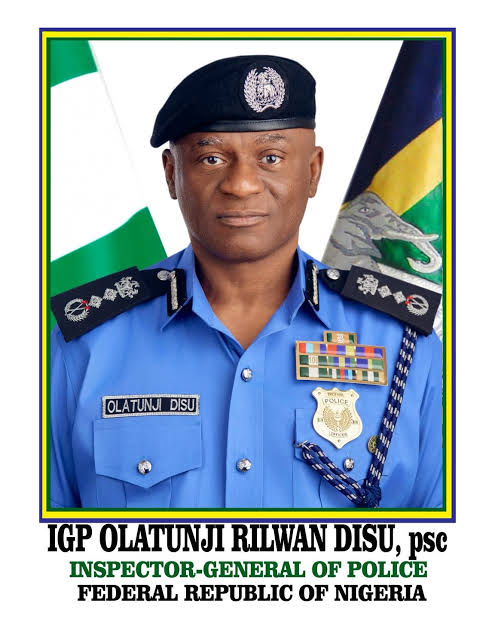
At the centre of this strategy is the Inspector-General of Police, IGP Olatunji Rilwan Disu, who is strengthening the Police Campaign Against Cultism and Other Vices (POCACOV) as a platform for addressing the factors that make young Nigerians vulnerable to cultism and other criminal activities.
The approach recognises that the fight against cultism cannot be won through law enforcement operations alone. While the police must continue to arrest perpetrators and dismantle criminal networks, equal attention must be given to preventing young people from joining such groups.
This thinking informed the nationwide POCACOV advocacy and sensitisation campaign, which Disu flagged off on June 28, 2026, with activities scheduled across state police commands.
The initiative seeks to discourage youth involvement in cultism, drug abuse, violent crime and other social vices through grassroots sensitisation, early intervention and engagement with schools, communities, religious organisations and other stakeholders.
Taking the fight to the grassroots
One of POCACOV’s defining features is its emphasis on reaching young people where they live, study and interact.
Through sensitisation programmes, mentorship and stakeholder engagement, the initiative seeks to expose young Nigerians to the dangers of cult membership while promoting responsible citizenship, peaceful coexistence and positive peer relationships.
Parents, teachers, traditional rulers and religious leaders are also encouraged to participate in identifying early warning signs and guiding young people away from destructive influences.
By involving these groups, the police are making crime prevention a collective responsibility rather than an assignment left exclusively to security agencies.
Sports as an instrument of crime prevention
A significant dimension of Disu’s approach is the use of sports as a tool for youth engagement and crime prevention.
In August 2026, POCACOV partnered with Afro Sports Pro to harness sports for youth empowerment, mentorship and positive social change.
The partnership is based on the belief that young people provided with constructive opportunities, supportive environments and positive role models are better positioned to resist criminal influences.
Through sporting activities, the initiative promotes discipline, teamwork, self-confidence and a sense of belonging while offering alternatives to cultism, drug abuse, violence and other social vices.
On November 21, 2026, POCACOV and Afro Sports Pro organised a novelty football match involving young footballers and police personnel as part of activities ahead of the campaign’s maiden national conference.
The conference, scheduled for November 25, 2026, is themed, “Strengthening Preventive Policing through Community Partnership, Youth Empowerment and Collective Action for National Security.”
The use of football and other sporting activities reinforces the campaign’s message that young people should be encouraged to develop their talents and participate meaningfully in society.
Beyond sensitisation: Rehabilitation and empowerment
Another important aspect of POCACOV is its growing attention to rehabilitation and economic empowerment.
Recognising that prevention must also address the circumstances that make vulnerable individuals susceptible to criminal influences, the programme has explored partnerships that can provide opportunities for those seeking to rebuild their lives.
On August 12, 2026, the POCACOV National Coordinator, SP Orvenonne Ikwen, and the Lagos State Coordinator, Olivia Ugochukwu, led a delegation to the Lagos State Ministry of Wealth Creation and Employment.
The meeting with the ministry’s Permanent Secretary, Mrs Lolade Aina, focused on post-rehabilitation employment and empowerment opportunities for individuals vulnerable to criminal involvement.
The engagement highlights the importance of vocational training, employment and sustainable livelihoods in helping individuals disengage from criminal associations.
It also underscores the need for collaboration between the police and government institutions responsible for youth development, social welfare and economic empowerment.
Building responsible young citizens
POCACOV has also extended its activities to members of the National Youth Service Corps, students and other youth groups.
In August, the programme sensitised corps members at the NYSC Orientation Camp in Borno State on drug abuse, crime prevention, responsible citizenship and peaceful coexistence.
In Ogun State, it partnered with Peace Club Abeokuta and the World Peace Initiative Foundation during the Better Me Tournament, engaging undergraduates from Olabisi Onabanjo University, the Federal University of Agriculture, Abeokuta, and other institutions.
Discussions focused on cultism, substance abuse, cybercrime, negative peer influence and personal discipline.
The programme has also engaged women, families and traditional institutions in Anambra State, emphasising responsible parenting and community participation in protecting young people from harmful influences.
Institutionalising preventive policing
Beyond its field activities, the Nigeria Police Force has taken steps to document POCACOV’s interventions and strengthen awareness of its objectives.
In July 2026, Disu unveiled the maiden edition of the POCACOV Digest, a publication documenting the programme’s activities, achievements, partnerships and nationwide interventions.
The publication covers advocacy against cultism, drug abuse, cybercrime, bullying and other social vices, while highlighting engagements with schools, community organisations, religious institutions and other stakeholders.
The initiative provides an opportunity to document progress, share experiences and encourage wider participation in crime prevention.
A broader vision for safer communities
Nigeria’s cultism challenge remains significant, and no single initiative can eliminate a problem sustained by multiple social, economic and criminal factors.
Nevertheless, POCACOV’s approach provides an opportunity to address the menace from several directions.
While police operations remain necessary to confront violent groups and prosecute offenders, preventive initiatives recognise that lasting security also depends on discouraging recruitment, promoting positive values and creating opportunities for vulnerable young people.
For Disu, the broader ambition is to build a policing culture that does not only respond to threats but also works with communities to prevent them.
Ultimately, the success of the campaign will be measured not only by the number of sensitisation programmes conducted or partnerships established, but by its ability to influence young people’s choices, reduce recruitment into cult groups and contribute to safer communities.
The message is clear: winning the war against cultism requires more than arrests. It requires prevention, opportunity, rehabilitation and collective action.