
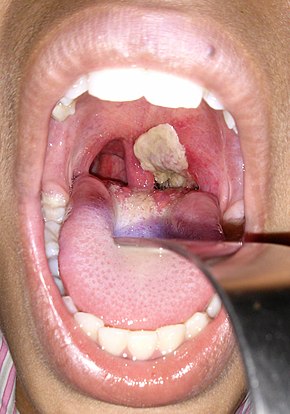
Below are causes, signs, symptoms, prevention and treatment as highlighted by the Centre for Disease Control and Prevention.
Diphtheria is a serious infection caused by strains of bacteria called Corynebacterium diphtheriae that make a toxin. It is the toxin that can cause people to get very sick.
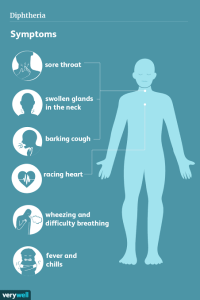
Respiratory diphtheria symptoms
The bacteria most commonly infect the respiratory system, which includes parts of the body involved in breathing. When the bacteria get into and attach to the lining of the respiratory system, it can cause:
Weakness
Sore throat
Mild fever
Swollen glands in the neck
The bacteria make a toxin that kills healthy tissues in the respiratory system. Within two to three days, the dead tissue forms a thick, gray coating that can build up in the throat or nose. Medical experts call this thick, gray coating a “pseudomembrane.” It can cover tissues in the nose, tonsils, voice box, and throat, making it very hard to breathe and swallow.
If the toxin gets into the blood stream, it can cause heart, nerve, and kidney damage.
Diphtheria skin infection symptoms
The bacteria can also infect the skin, causing open sores or ulcers. However, diphtheria skin infections rarely result in severe disease.
How it spreads
Diphtheria bacteria spread from person to person, usually through respiratory droplets, like from coughing or sneezing. People can also get sick from touching infected open sores or ulcers. Those at increased risk of getting sick include:
- People in the same household
- People with a history of frequent, close contact with the patient
- People directly exposed to secretions from the suspected infection site (e.g., mouth, skin) of the patient
Vaccination
In the United States, there are four vaccines used to prevent diphtheria: DTaP, Tdap, DT, and Td. Each of these vaccines prevents diphtheria and tetanus; DTaP and Tdap also help prevent pertussis (whooping cough).
Preventive measures
CDC recommends that close contacts* of someone with diphtheria receive antibiotics to prevent them from getting sick. Experts call this prophylaxis (pro-fuh-lak-sis).
In addition to getting antibiotics, close contacts of someone with diphtheria should be
- Monitored for possible illness for 7 to 10 days from the time they were last exposed
- Tested for diphtheria with a sample collected from the nose and throat
- Given a diphtheria booster shot if they are not up to date with their vaccines
Health departments investigate each case of diphtheria to identify all close contacts and make sure they receive the right preventive measures.